Medical Device Cybersecurity & Compliance Consulting
Build security into connected medical devices, SaMD, and health software from early design through regulatory submission and post-market operation.
Security Built Into
the Device Lifecycle
Pure Global brings regulatory, quality, software, and cybersecurity work into one coordinated program. We help teams identify gaps early, produce traceable evidence, and maintain security as products and threats evolve.
Integrated Regulatory
and Cybersecurity Support
Connected technologies, SaMD, wireless communications, and cloud-enabled systems have made cybersecurity a core part of medical device safety, quality, and performance. We align regulatory strategy, technical documentation, risk controls, and validation across the full product lifecycle.

Regulatory strategy
Device classification, pathway selection, FDA predicate assessment, EU MDR classification, and conformity assessment planning.
Design controls and documentation
Traceable design, quality, software, and technical documentation aligned with FDA QMSR, ISO 13485, IEC 62304, and EU MDR Annexes II and III.
Risk, safety, and performance
Risk management, usability, clinical evaluation, electrical safety, essential performance, and EMC planning using applicable standards.
Testing and lifecycle support
Verification, validation, submission support, vulnerability management, software maintenance, and post-market compliance activities.
FDA Medical Device
Cybersecurity
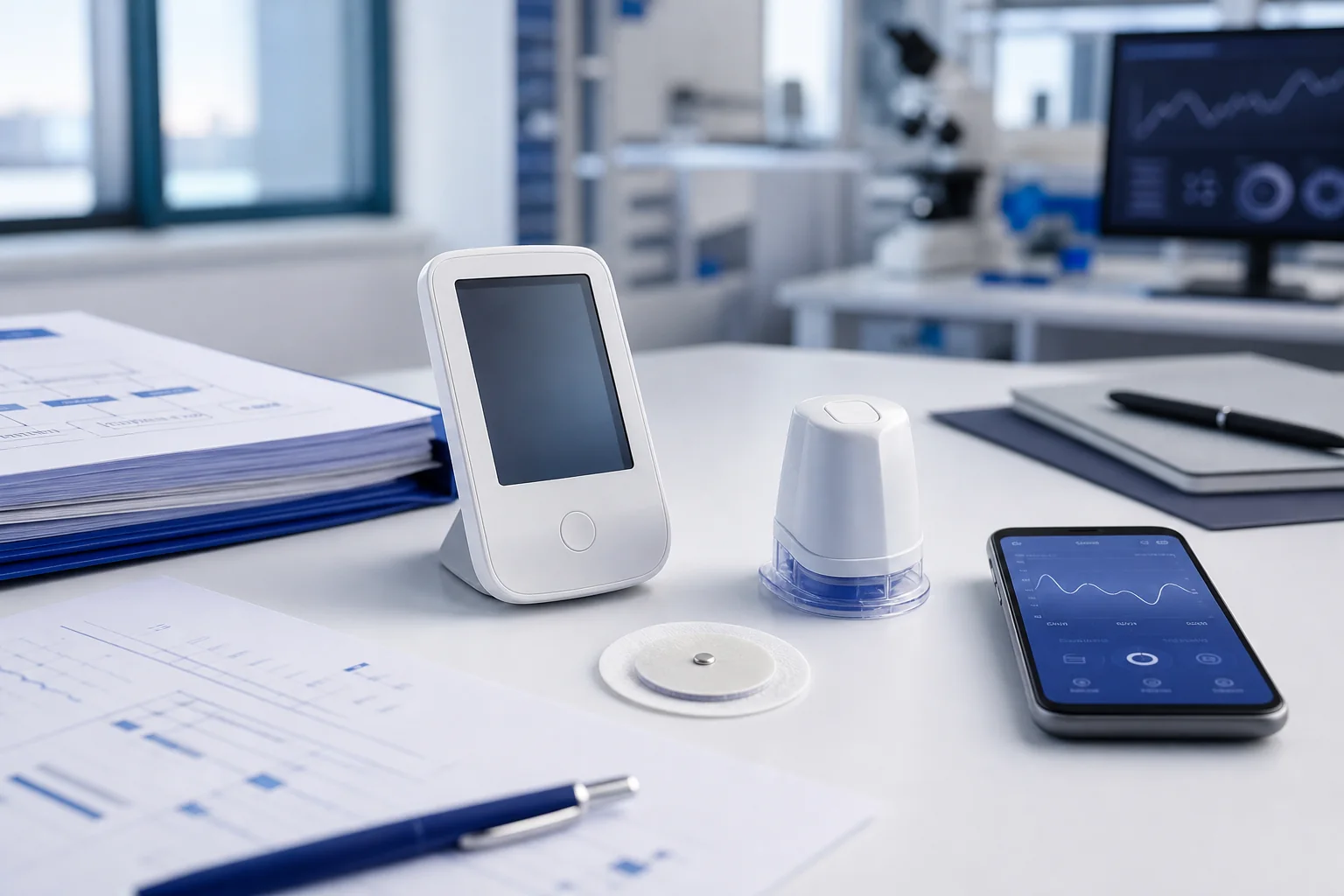
FDA premarket review now treats cybersecurity and software assurance as essential parts of device safety and effectiveness. We help teams prepare the design evidence, risk documentation, and lifecycle plans expected for devices with cybersecurity risk.
Classification and predicate strategy
Define the regulatory pathway, identify suitable predicates, and build a defensible substantial-equivalence rationale.
Premarket cybersecurity evidence
Prepare threat models, cybersecurity risk assessments, architecture views, testing evidence, labeling, and vulnerability-management plans.
QMSR and software alignment
Connect FDA QMSR, ISO 13485, IEC 62304, ISO 14971, and IEC 81001-5-1 activities with clear design and risk traceability.
Submission and review support
Assemble submission-ready cybersecurity content and support responses to FDA requests for additional information.
EU MDR Cybersecurity
and Compliance
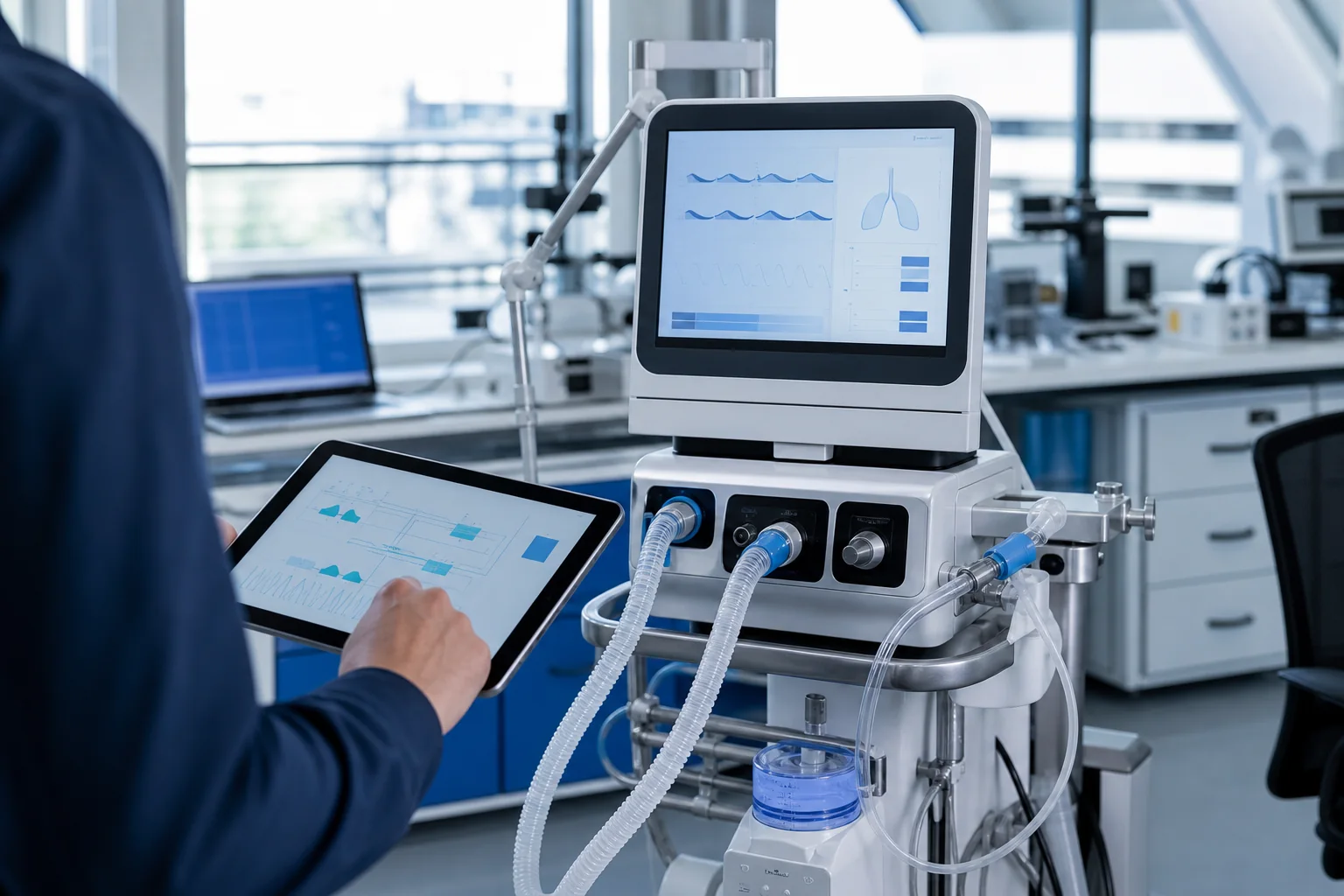
EU MDR places software, information security, risk control, and post-market obligations within the device's safety and performance framework. We help manufacturers connect those requirements to technical documentation and an audit-ready quality system.
Gap assessment and pathway
Review existing documentation and cybersecurity maturity, confirm device classification, and define the conformity assessment route.
Technical and clinical evidence
Build Annex II and III documentation covering design, performance, clinical evaluation, risk, and software lifecycle evidence.
Security and quality integration
Align ISO 14971, IEC 62304, IEC 81001-5-1, and ISO 13485 processes for secure development and defensible traceability.
Post-market and audit readiness
Establish surveillance, vigilance, incident handling, vulnerability remediation, PSUR support, and notified body preparation.

Medical Device
Security Assessment
We evaluate the device and its surrounding ecosystem to identify exploitable weaknesses, test existing controls, and prioritize remediation by technical severity, patient safety impact, and regulatory relevance.
Attack surface mapping
Review device architecture, firmware, embedded systems, wireless interfaces, mobile apps, APIs, cloud services, and hospital integrations.
Controlled penetration testing
Apply black-box, white-box, or gray-box methods within agreed safety boundaries to validate real-world exploitability.
Clinical impact prioritization
Evaluate findings against device integrity, therapy continuity, sensitive data, operational reliability, and patient safety.
Remediation and verification
Deliver actionable findings mapped to relevant frameworks, then retest fixes and support ongoing vulnerability management.

IEC 81001-5-1
Compliance Services
IEC 81001-5-1 provides a lifecycle framework for improving the security of health software. We help product and quality teams translate its processes, activities, and tasks into practical governance, development, verification, and maintenance controls.
Gap assessment and governance
Evaluate current practices, clarify roles and policies, and establish a risk-based implementation roadmap.
Secure lifecycle integration
Embed threat modeling, secure design and coding, verification, supplier oversight, and change control into the software lifecycle.
Verification and evidence
Plan security testing and maintain traceable records that support internal audits, regulatory submissions, and external assessments.
Operations and maintenance
Support monitoring, patching, incident response, vulnerability remediation, documentation updates, and continuous improvement.

One Program from Design to Post-Market
Choose focused support for a specific gap or combine services into a coordinated cybersecurity and compliance workstream.

Regulatory Strategy
Map cybersecurity obligations to device classification, target markets, submission pathways, and evidence plans.

Secure Development
Integrate security activities into product, software, quality, and supplier processes from the start.

Risk & Threat Modeling
Connect cybersecurity hazards, threat scenarios, control decisions, and patient safety impact.

Testing & Validation
Coordinate architecture reviews, vulnerability assessment, penetration testing, and remediation verification.

Submission Evidence
Build clear, traceable cybersecurity documentation for FDA, EU MDR, and other regulatory reviews.

Post-Market Support
Maintain vulnerability monitoring, incident readiness, change records, and regulatory compliance after launch.
Medical Device Cybersecurity FAQs
Any device or connected system with software, programmable logic, network interfaces, wireless functions, removable media, cloud services, mobile applications, update mechanisms, or other exploitable technology may have cybersecurity risk and should be assessed in its intended environment. FDA's narrower statutory term cyber device has three elements: sponsor-authorized software, internet connectivity, and technological characteristics that could be vulnerable to cybersecurity threats. A product can still need cybersecurity risk management even when it does not meet that specific statutory definition.
For a premarket submission covered by section 524B, the sponsor must provide information showing that the cyber device meets the statutory cybersecurity requirements. These include a plan to monitor, identify, and address post-market vulnerabilities and exploits; processes and procedures intended to provide reasonable assurance that the device and related systems are cybersecure and can receive appropriate updates and patches; and a software bill of materials covering commercial, open-source, and off-the-shelf components. FDA explains the scope in its medical device cybersecurity FAQs.
The evidence should be scaled to the device's cybersecurity risk and submission type. Depending on applicability, it can include security risk-management documentation, threat modeling, architecture views, security requirements and traceability, cybersecurity testing, unresolved anomaly assessment, an SBOM, labeling, and plans for vulnerability monitoring, coordinated disclosure, updates, and patches. FDA's February 2026 premarket cybersecurity guidance is the current source for its recommendations and treatment of section 524B.
EU MDR treats cybersecurity within safety, performance, risk management, software lifecycle, technical documentation, and post-market obligations rather than as a separate marketing authorization. Applicable controls depend on the device, intended use, operating environment, and state of the art. Manufacturers should connect cybersecurity risks and controls to the Annex I General Safety and Performance Requirements and maintain the supporting evidence in the technical documentation. The European Commission lists MDCG 2019-16 rev.1 as its guidance on cybersecurity for medical devices.
No universal rule requires every connected medical device to hold an IEC 81001-5-1 certificate. IEC 81001-5-1:2021 defines lifecycle activities and tasks for developing and maintaining secure health software. It can provide a useful process framework and evidence source, but using the standard does not by itself authorize a device or replace applicable FDA, EU, quality-system, risk-management, software, testing, and post-market requirements. The applicable conformity claim should be defined for the product and market.
No. Cybersecurity continues across the total product lifecycle. Manufacturers need controlled processes for monitoring vulnerabilities and threats, receiving external reports, assessing safety and exploitability, coordinating disclosure, developing and validating updates or patches, communicating with users, evaluating reportability, and updating risk, technical, labeling, and quality records. Product changes must also be assessed to determine whether a new regulatory submission, notified body interaction, or other market-specific action is required.
One Security Program,
Multiple Markets
Coordinate a consistent cybersecurity foundation while adapting evidence, submissions, and post-market activities to each target market.











Let's Talk,
Anywhere You Are.
Whether looking for more information or ready to partner with us, we're here to guide you through every step of the regulatory process.
Contact us