Latest Articles
Items shown: 9
Orthopedic Implant Global Market Access 2026: One Implant, Seven Risk Classes — Registration Pathways, Timelines, Fees, and the Two Forces Reshaping Entry
The same orthopedic implant can be Class II in the United States and Class III across the European Union, China, Japan and Australia. This report compares pathways, realistic timelines, government fees, reliance limits and mandatory in-country-representative costs across seven major markets.

Aesthetic Device Global Market Access 2026: Registration Pathways, Timelines & Fees for Injectables and Energy-Based Devices
The same aesthetic device can face a different risk class, evidence burden and registration route in every major market. This research report compares fillers and energy-based platforms across the United States, European Union, China, Korea, Brazil and Japan — including realistic timelines, regulator fees, reliance routes and mandatory in-country-representative costs.

How to register medical devices and IVDs in Brazil
Registering a medical device or IVD in Brazil means navigating ANVISA's dual pathways—faster Notification for low-risk Class I/II devices, or rigorous Registration for higher-risk Class III/IV devices requiring B-GMP certification and technical dossiers. This guide walks through classification, appointing a Brazil Registration Holder, securing necessary certifications (INMETRO, ANATEL, INCQS), and meeting new UDI labeling requirements. It also covers the AREE reliance pathway, which lets manufacturers with existing FDA, TGA, Health Canada, or MHLW approvals potentially cut review times by 30%.

Continuous Glucose Monitors: The Global Map of Regulation, Registration, and Market Access
The continuous glucose monitor is the fastest-scaling category in diabetes technology, and in 2024 it broke out of diabetes entirely — onto pharmacy shelves as an over-the-counter wellness product. Yet the same sensor is Class II in the U.S. (now sold OTC), Class IIb in the EU, and Class III in China. This report maps how every major regulator classifies, approves, and reimburses CGM — and why a single FDA clearance or CE mark clears none of the three gates (approval, reimbursement, intellectual property) by itself — with registration costs, timelines, and reliance routes across 30+ markets.
AI as a Medical Device: The Global Map of Regulation, Registration, and Market Access
Artificial intelligence is the fastest-growing class of medical device in history — and the most regulation-divergent. The U.S. FDA now lists 1,524 AI-enabled devices; South Korea authorized 153 in a single year. Yet the same software is Class II in the U.S., Class IIa+ and 'high-risk' in the EU, and Class III in China — each with its own evidence, local-holder, and change-control rules. This report maps how every major regulator classifies, approves, and polices AI as a medical device, with registration costs, timelines, and reliance routes across 30+ markets, and the playbook for reaching them without rebuilding the dossier each time.

How to register medical devices and IVDs in Mexico
Since September 2025, COFEPRIS's new Abbreviated Pathway has opened a faster, more accessible route to market for manufacturers who already hold approvals from major regulatory bodies like the FDA, CE, Health Canada, and others. Instead of navigating a lengthy full technical review, you can now leverage your existing approvals to dramatically cut submission time and complexity. This guide breaks down everything you need to know — from eligibility requirements and device classification to documentation, timelines, and how to appoint a Mexico Registration Holder.
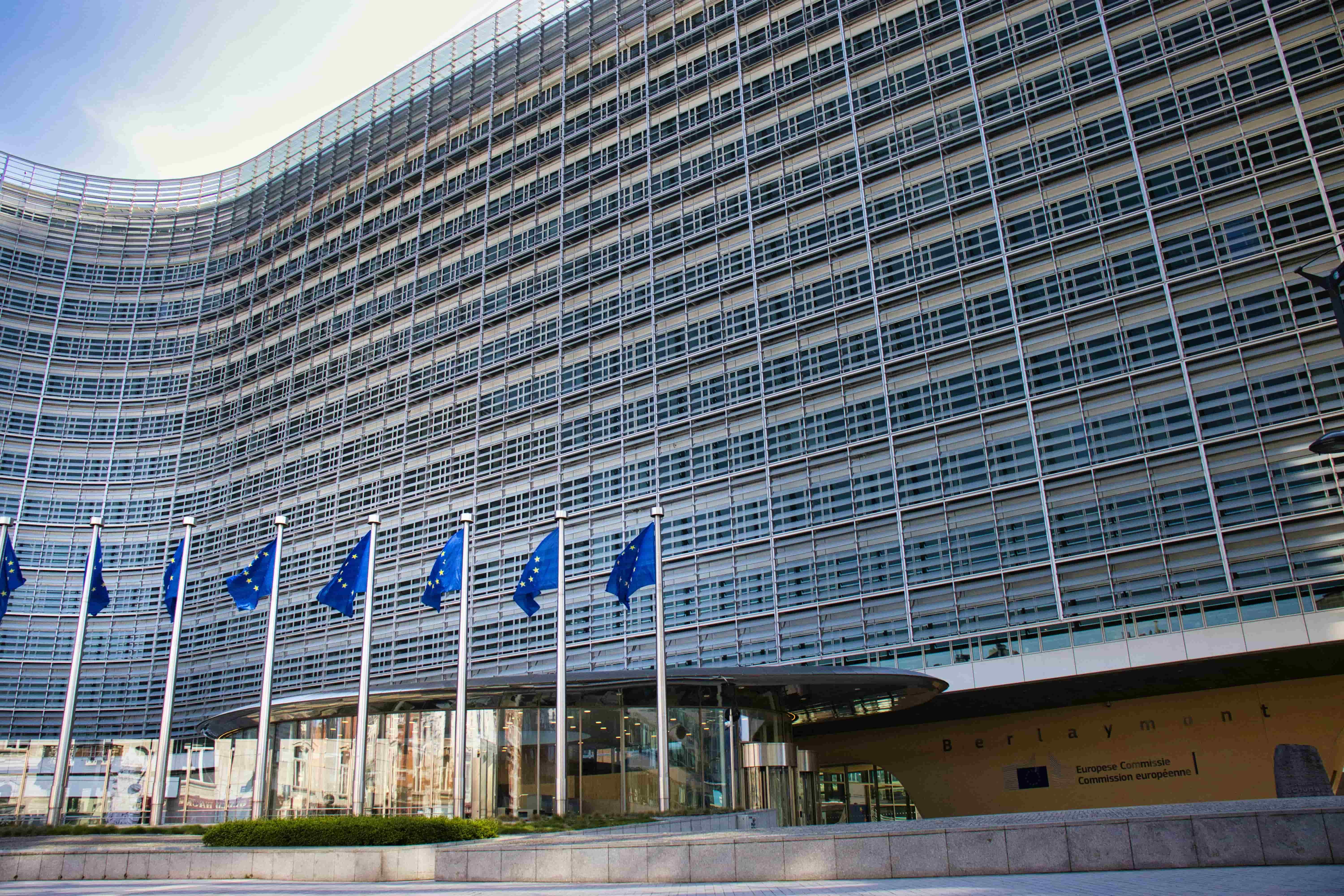
How to use your FDA and EU medical device approvals to access 25+ markets
Your medical device and IVD approvals in the US and EU can streamline pathways in 25+ markets worldwide, from Australia and Switzerland to Brazil and Singapore, cutting the time and cost of international expansion. And with AI-powered tools now helping regulatory specialists build submissions up to 50% faster, scaling your device portfolio across borders has never been more achievable.

How to register medical devices and IVDs in Australia
Australia is a highly attractive market for medical device manufacturers, but gaining access requires navigating the TGA's rigorous registration process. This step-by-step guide covers the full pathway to ARTG inclusion, from device classification and Sponsor obligations through to Manufacturer Evidence, application submission, and audit preparation, with practical guidance on costs and timelines.

ANVISA’s International Cooperation and Regulatory Convergence Are Reshaping Brazil's Medical Device Market
Brazil's health regulator is moving fast, strengthening international alliances and overhauling key rules for medical devices, software, and post-market surveillance. Learn how ANVISA's 2026–2027 priorities will affect your registration strategy.
Let's Talk,
Anywhere You Are.
Whether looking for more information or ready to partner with us, we're here to guide you through every step of the regulatory process.
Contact us