
ISO 14971 Risk Files: Evidence and Review
Use recall data, regulatory sources and worked examples to review risk controls and the evidence supporting release.
Latest Articles
Items shown: 58
ISO 14971 Risk Files: Evidence and Review
Use recall data, regulatory sources and worked examples to review risk controls and the evidence supporting release.
In-Country Representatives and Registration Holders: 2026 Guide
Who holds the file matters when a distributor changes. Compare local roles, handover documents, transfer conditions and the full annual cost before appointing a partner.
One Device, Three UDI Databases (2026): Build the US, EU and China Work Order
Shared identifiers need separate regulatory mappings. Use corrected database evidence, product-specific calendars and a scoped cost breakdown to plan the work.
Medical Device Technical File Compilation Cost (2026): Build, Buy, or Hybrid?
Technical-file quotes are incomparable until scope, writing, gap closure, reviewer responses, lifecycle maintenance, and authority fees are separated. This report combines public price lines, FDA workload data, EU survey evidence, and a break-even model to show when to build internally, buy a project, or use a hybrid team.
Medical Device Registration Verification 2026: What 15 National Public Data Files Actually Contain
A public register is not a market map. This workpaper names what one row means, which identity fields are filled, and where verification still needs in-country evidence.
Coronary Stent Global Market Access 2026: Class III Almost Everywhere
Coronary stents sit at the highest regulatory tier across major markets. This report maps four US regulatory objects, the PMA supplement lifecycle, eight market-access files, public register evidence, postmarket limits, government fees and a sequencing plan for manufacturers.
Surgical Robot Global Market Access 2026: One Platform, Eight Regulatory Files
Surgical robots do not follow one regulatory class or one reusable filing. This research report maps the public records across eight markets, showing how architecture drives FDA classification, why one platform becomes dozens of registration objects, where clinical evidence controls the schedule, and what government and in-country representation fees actually cost.
ISO 10993-1:2025 Global Transition Guide: How to Build One Biological Evaluation Plan for Seven Regulatory Systems
ISO 10993-1 changed in 2025, but regulators did not change together. This practical guide maps seven regulatory systems and shows how to build one controlled biological-evaluation core with market-specific overlays.
In Vitro Diagnostics Global Market Access 2026: The Year the Rules Moved in Opposite Directions
The EU inverted its IVD regime and the US reverted its own. This report rebuilds what that means for classification, timelines and cost from the registers themselves — including 238 IVDR certificates against 3,343 for devices, and the risk-class split across nine national registers.
Orthopedic Implant Global Market Access 2026: One Implant, Seven Risk Classes — Registration Pathways, Timelines, Fees, and the Two Forces Reshaping Entry
The same orthopedic implant can be Class II in the United States and Class III across the European Union, China, Japan and Australia. This report compares pathways, realistic timelines, government fees, reliance limits and mandatory in-country-representative costs across seven major markets.
Aesthetic Device Global Market Access 2026: Registration Pathways, Timelines & Fees for Injectables and Energy-Based Devices
The same aesthetic device can face a different risk class, evidence burden and registration route in every major market. This research report compares fillers and energy-based platforms across the United States, European Union, China, Korea, Brazil and Japan — including realistic timelines, regulator fees, reliance routes and mandatory in-country-representative costs.

How to register medical devices and IVDs in Brazil
Registering a medical device or IVD in Brazil means navigating ANVISA's dual pathways—faster Notification for low-risk Class I/II devices, or rigorous Registration for higher-risk Class III/IV devices requiring B-GMP certification and technical dossiers. This guide walks through classification, appointing a Brazil Registration Holder, securing necessary certifications (INMETRO, ANATEL, INCQS), and meeting new UDI labeling requirements. It also covers the AREE reliance pathway, which lets manufacturers with existing FDA, TGA, Health Canada, or MHLW approvals potentially cut review times by 30%.

Continuous Glucose Monitors: The Global Map of Regulation, Registration, and Market Access
The continuous glucose monitor is the fastest-scaling category in diabetes technology, and in 2024 it broke out of diabetes entirely — onto pharmacy shelves as an over-the-counter wellness product. Yet the same sensor is Class II in the U.S. (now sold OTC), Class IIb in the EU, and Class III in China. This report maps how every major regulator classifies, approves, and reimburses CGM — and why a single FDA clearance or CE mark clears none of the three gates (approval, reimbursement, intellectual property) by itself — with registration costs, timelines, and reliance routes across 30+ markets.
AI as a Medical Device: The Global Map of Regulation, Registration, and Market Access
Artificial intelligence is the fastest-growing class of medical device in history — and the most regulation-divergent. The U.S. FDA now lists 1,524 AI-enabled devices; South Korea authorized 153 in a single year. Yet the same software is Class II in the U.S., Class IIa+ and 'high-risk' in the EU, and Class III in China — each with its own evidence, local-holder, and change-control rules. This report maps how every major regulator classifies, approves, and polices AI as a medical device, with registration costs, timelines, and reliance routes across 30+ markets, and the playbook for reaching them without rebuilding the dossier each time.

How to register medical devices and IVDs in Mexico
Since September 2025, COFEPRIS's new Abbreviated Pathway has opened a faster, more accessible route to market for manufacturers who already hold approvals from major regulatory bodies like the FDA, CE, Health Canada, and others. Instead of navigating a lengthy full technical review, you can now leverage your existing approvals to dramatically cut submission time and complexity. This guide breaks down everything you need to know — from eligibility requirements and device classification to documentation, timelines, and how to appoint a Mexico Registration Holder.
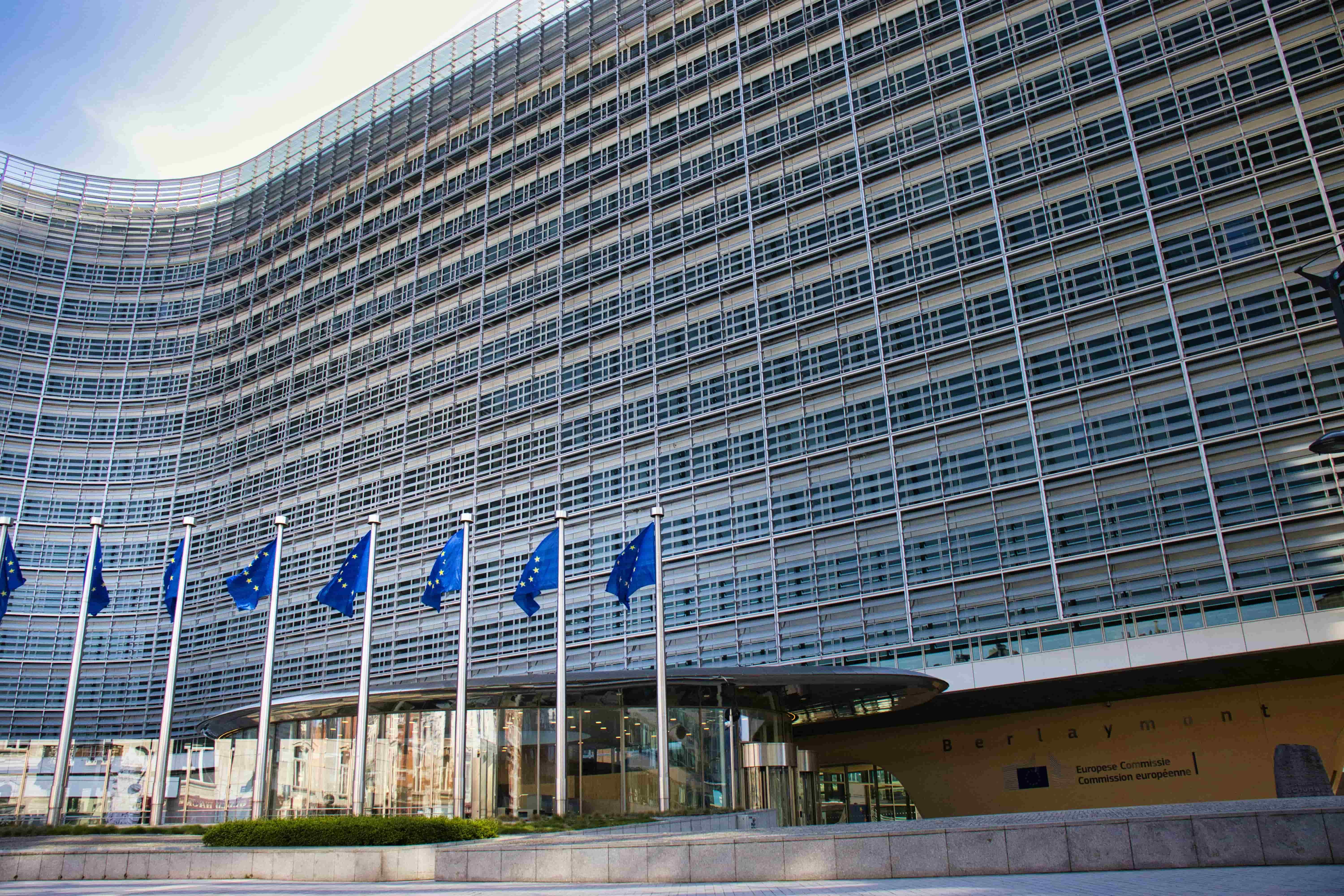
How to use your FDA and EU medical device approvals to access 25+ markets
Your medical device and IVD approvals in the US and EU can streamline pathways in 25+ markets worldwide, from Australia and Switzerland to Brazil and Singapore, cutting the time and cost of international expansion. And with AI-powered tools now helping regulatory specialists build submissions up to 50% faster, scaling your device portfolio across borders has never been more achievable.

How to register medical devices and IVDs in Australia
Australia is a highly attractive market for medical device manufacturers, but gaining access requires navigating the TGA's rigorous registration process. This step-by-step guide covers the full pathway to ARTG inclusion, from device classification and Sponsor obligations through to Manufacturer Evidence, application submission, and audit preparation, with practical guidance on costs and timelines.

ANVISA’s International Cooperation and Regulatory Convergence Are Reshaping Brazil's Medical Device Market
Brazil's health regulator is moving fast, strengthening international alliances and overhauling key rules for medical devices, software, and post-market surveillance. Learn how ANVISA's 2026–2027 priorities will affect your registration strategy.

40+ Statistics About Brazil’s Medical Device Import Market Manufacturers Need to Know
Brazil is the largest medical device import market in Latin America, and it's growing faster than it was three years ago. But the countries winning share, the clinical specialties leading growth, and the risks manufacturers need to plan for have all shifted meaningfully since 2021. This article compiles 40+ statistics from Pure Global's four-year import analysis to show what the data actually says.
Indonesia's Medical Device and IVD Import Market
Indonesia's $3.28 Billion MedTech Import Market Reset: The IVD Bubble Is Over; The Surgical Boom Has Begun. The report emphasizes that the 2024 boom was not a simple recovery but a fundamental shift in market demand. The growth was overwhelmingly powered by specialties related to elective and high-acuity procedures, reflecting a move to clear surgical backlogs and a long-term government strategy to improve domestic hospital capabilities.
Leveraging Medical Device CE Marking for Faster Entry into Brazil
Medical device manufacturers sometimes shy away from Brazil as a potential market due to its cumbersome and meticulous regulatory requirements. But if you already have CE Marking, ANVISA approval is more accessible than you think. Learn how ANVISA requirements overlap with the EU MDR.

Medical Device Registration Costs and Timelines for Brazil, Mexico, and Colombia
Expanding into Brazil, Mexico, and Colombia can be a major growth driver if you understand the true costs and timelines involved. This guide shows much it costs and how long approvals really take.
Thailand's Medical Device and IVD Import Market
Thailand's $3.29 Billion MedTech Import Market Undergoes Radical Shift as Post-Pandemic Demand for Aesthetics and Elder Care Surges, New Research Reveals. An analysis of historical data from 2021 to 2024 reveals an import-driven ecosystem with a total market value fluctuating between approximately $3.15 billion and $3.29 billion annually. This market is fundamentally sustained by two long-term drivers: a rapidly aging population and a thriving medical tourism sector, both of which are amplified by the government's strategic goal to establish the nation as a global "Medical Hub."
Brazil's Medical Device and IVD Import Market
Brazil's market for imported medical technology has demonstrated exceptional growth and a significant competitive realignment, establishing itself as a critical destination for global MedTech manufacturers. The total import market surged to USD $9.33 billion in 2024, an impressive 18.0% year-over-year increase, signaling a robust and accelerating demand for advanced healthcare solutions.
Mexico’s Abbreviated Regulatory Pathway is a Game-Changer for Medical Device Market Access
Mexico’s COFEPRIS will launch its new Abbreviated Regulatory Pathway on September 1, 2025, enabling medical device and drug manufacturers to fast-track approvals by leveraging prior authorizations from trusted international regulators. The streamlined process promises 30-day evaluations, aligning Mexico more closely with global regulatory standards and offering manufacturers a faster route to market.
Mexico's Medical Device and IVD Import Market
Mexico's medical device and in-vitro diagnostic (IVD) import market is a dynamic and rapidly expanding landscape, presenting both significant opportunities and complex challenges for global manufacturers. An analysis of historical import data from 2021 to 2024 reveals a market characterized by robust overall growth, shifting competitive dynamics among global trade partners, and transformative regulatory reforms. The total value of medical device and in-vitro diagnostic (IVD) imports to Mexico surged from $6.86 billion in 2021 to $11.40 billion in 2024, marking a 12.6% increase in the final year alone.
Malaysia's Medical Device and IVD Market
The Malaysian medical device and in-vitro diagnostic (IVD) market presents a compelling, high-growth opportunity, projected to reach US$4.5 billion by 2028 with a robust compound annual growth rate (CAGR) of approximately 9%. This expansion is underpinned by strong economic fundamentals, a consistent increase in government healthcare spending—highlighted by a 10% budget increase for 2025—and a clear national strategy to modernize the healthcare sector.

MDCG 2025-5 Clarifies EU Rules for IVD Performance Studies Under IVDR
Dr. Oliver Eikenberg breaks down the European Commission’s new MDCG 2025-5 guidance on IVD performance studies under the IVDR. He highlights how the document clarifies when studies require ethics and authority submissions, what qualifies as a substantial modification, and how to ensure data quality and compliance. For manufacturers and sponsors preparing for CE marking, these insights are essential to avoid costly delays and rejections.
Brazil’s UDI System Nears Enforcement: What Medical Device Manufacturers Must Know for 2025 and Beyond
Brazil’s Unique Device Identification (UDI) system is moving toward full enforcement, with mandatory labeling for Class IV devices starting July 10, 2025. This post breaks down the key requirements under RDC 591/2021 and RDC 884/2024, including SIUD database functions, labeling rules, and preparation steps for manufacturers.
ASEAN MedTech Import Market
Exploring the profound opportunities and increasing complexity in the Association of South-East Asian Nations medical technology import market from 2021-2024. The ASEAN MedTech import market presents significant opportunities amid increasing complexity. Analysis of export data from 2021-2024 reveals robust growth drivers despite top-line volatility. While demographic and economic trends signal sustained demand, aggregate import value fluctuated from $19.16 billion in 2021 to $18.34 billion in 2022, $17.79 billion in 2023, before rebounding to $19.26 billion in 2024.

5 Reasons EU device manufacturers should register in EUDAMED today
The European Commission has confirmed that key EUDAMED modules will become mandatory by Q3 2026 and manufacturers selling into the EU need to be ready. This article outlines five key reasons to prioritize EUDAMED registration now to avoid disruption, ensure compliance, and maintain market access.

Singapore HSA as a Gateway to Faster Device Registration in Key Markets
Singapore’s Health Sciences Authority (HSA) is now a globally recognized reference agency, offering manufacturers a fast track into key Asia-Pacific markets. This article explains how HSA approval can streamline registration in Thailand, Australia, and Hong Kong, and how its WHO Stringent Regulatory Authority status boosts access for high-risk IVDs. Leveraging HSA can cut costs, reduce timelines, and accelerate international expansion.
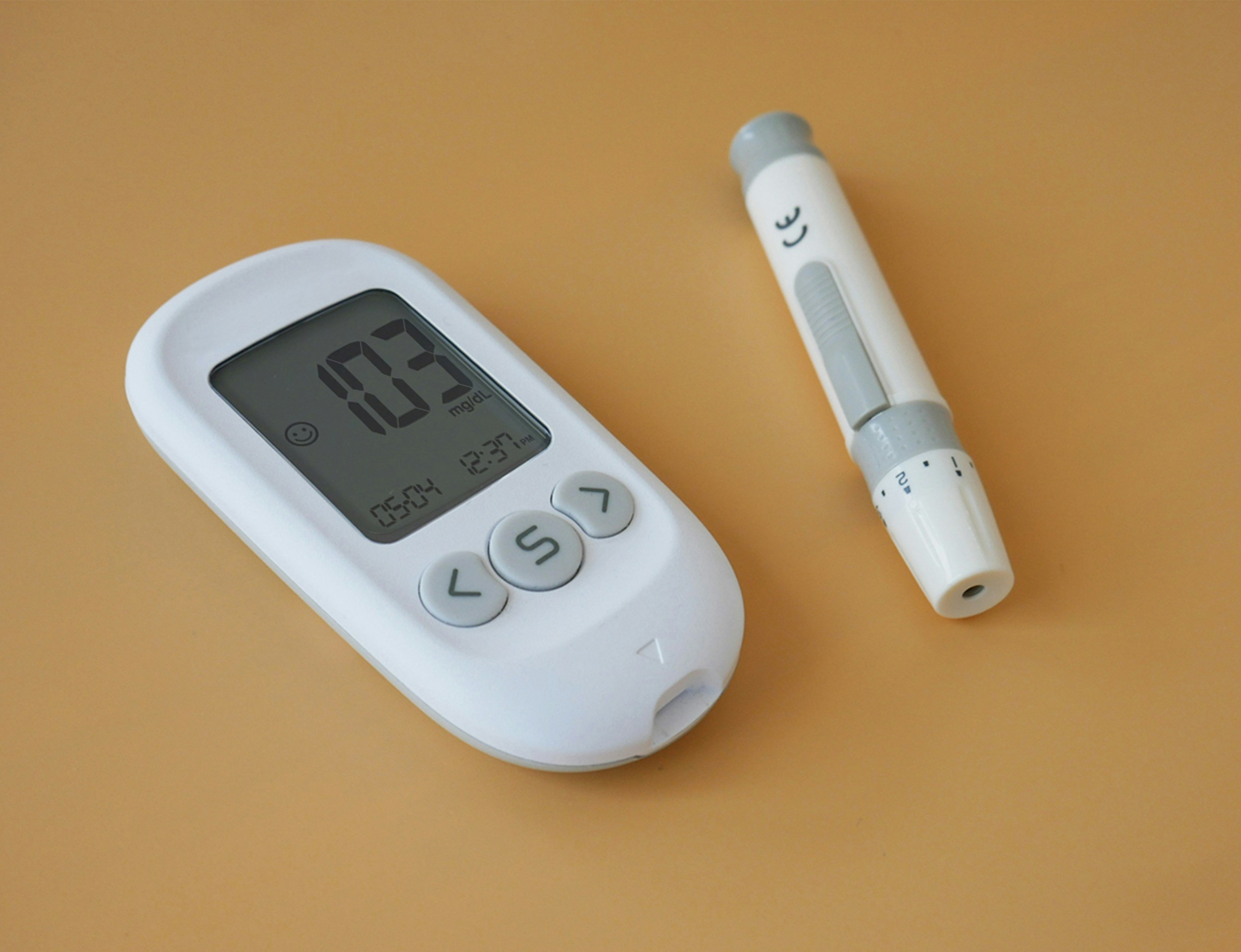
Wireless Compliance for Medical Device Manufacturers: Overview of Radio Frequency Module Integration
Manufacturers marketing a wireless medical device must consider communications authority regulations as well as medical device regulations. In this article, Michael Cassidy explains global market access requirements that manufacturers need to consider when integrating wireless module to their device.

How the EU IVDR opens doors beyond the EU
Under the IVDR, European CE Marking requires more time and resources from IVD manufacturers than ever before. However, as more countries adopt the EU's approach to medical device and IVD regulation, IVD companies will find themselves well positioned to access other markets beyond the EU once their IVDR CE Mark is in place. In this article, Dr. Oliver Eikenberg discusses the potential to leverage IVDR CE Marking to streamline global market access.
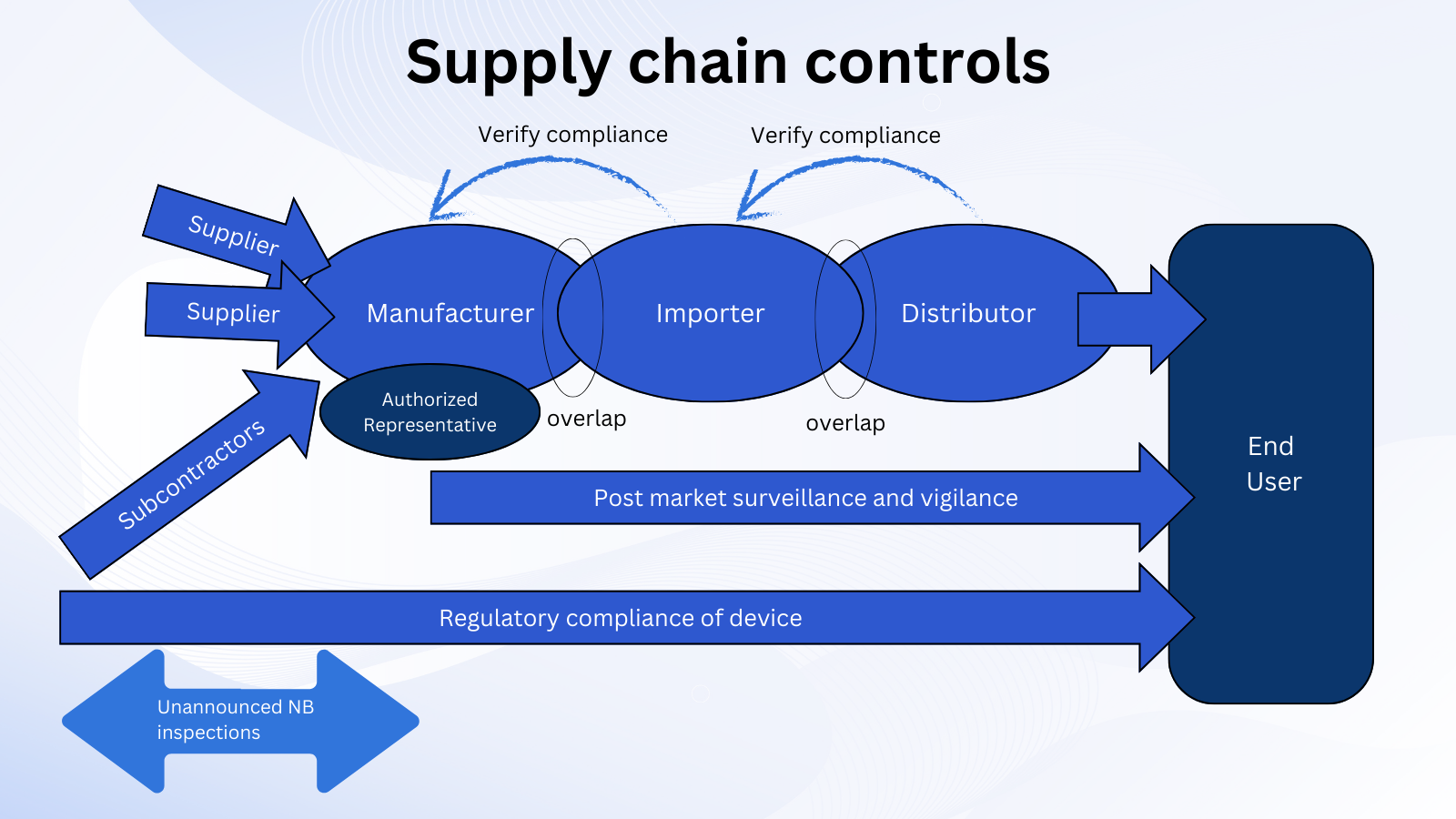
Supply chain requirements for Economic Operators under the EU IVDR
Inadequate supply chain controls are a leading cause of non-conformities in Notified Body Technical Documentation Assessments under the IVDR. In this article, Dr. Oliver Eikenberg discusses how manufacturers should assess and update their supply chain agreements to ensure Economic Operator roles and obligations are clearly defined in line with IVDR requirements.
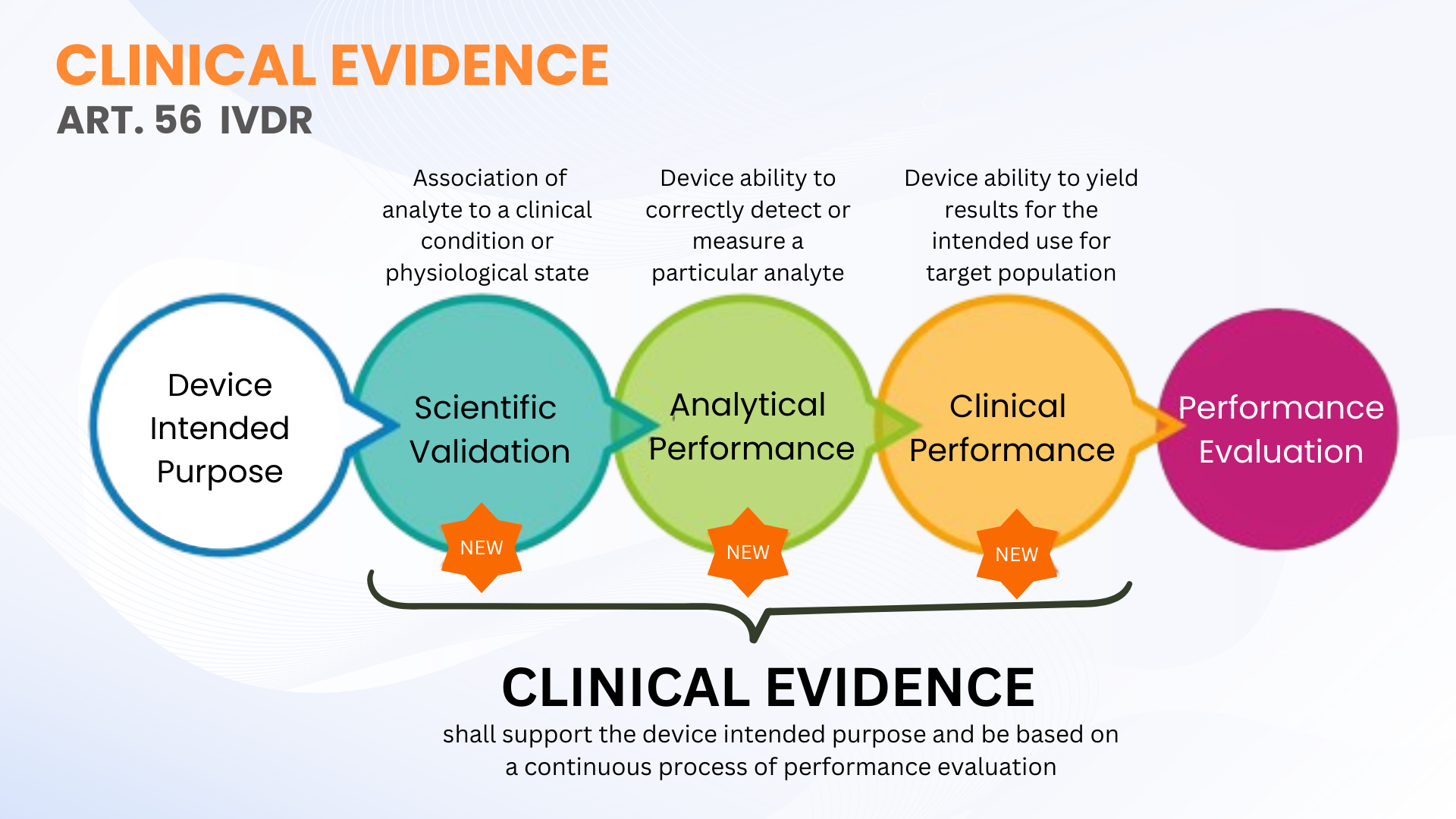
Clinical Evidence under IVDR: what is an “adequate level” for IVD manufacturers?
Conformity under the IVDR requires a rigorous approach to clinical evidence quality. In this article, Dr. Oliver Eikenberg explains the importance of performance evaluation processes and documentation to ensure adequate clinical evidence for EU IVDR compliance.
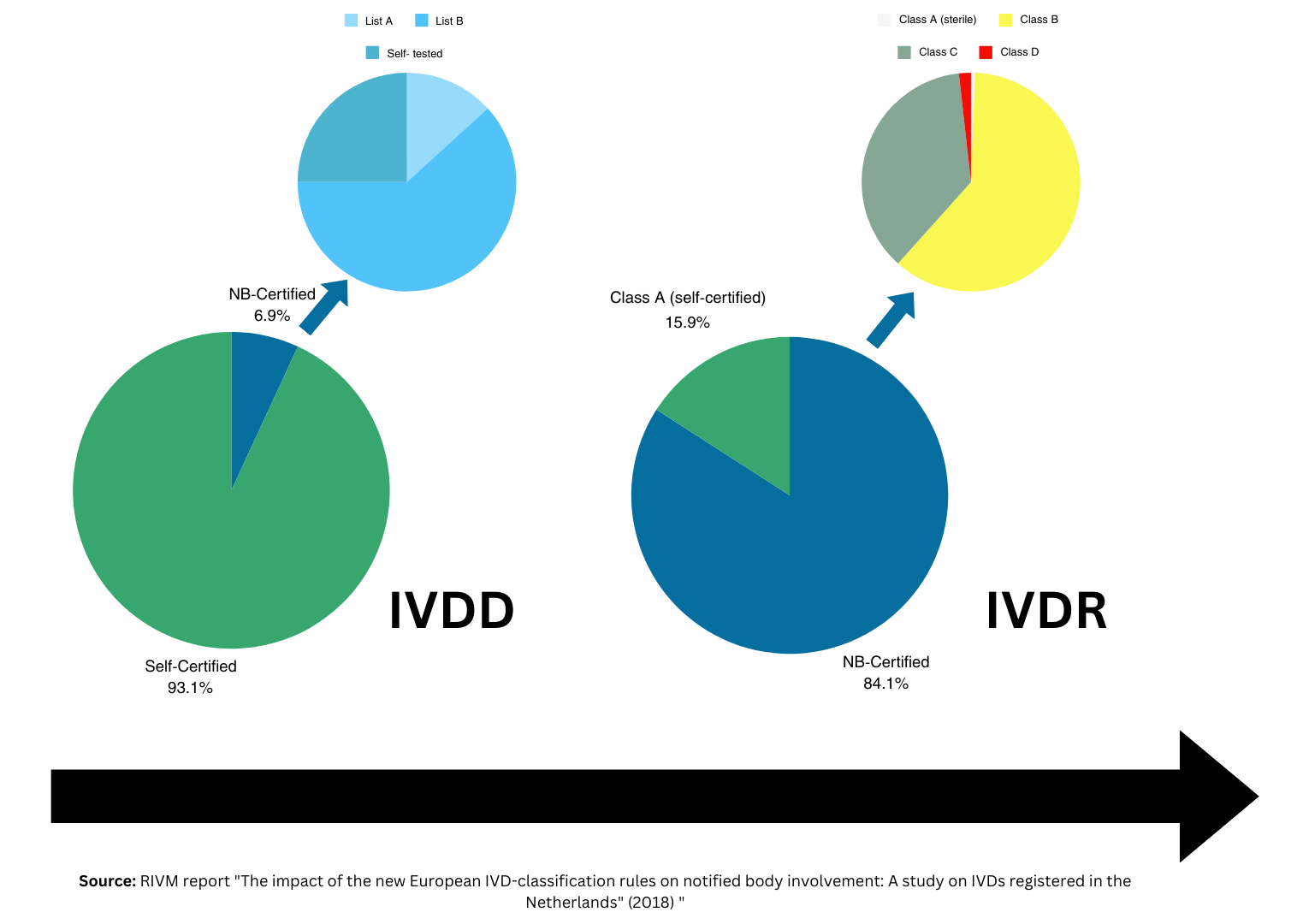
Engaging a Notified Body under the IVDR: What legacy manufacturers need to know about the pre-application process
The IVDR transition includes structured processes IVD manufacturers must follow to engage with Notified Bodies. Many IVD manufacturers are interacting with Notified Bodies for the first time and must understand what is required to ensure a successful partnership. In this article, Dr. Oliver Eikenberg clarifies what manufacturers must prepare and when to engage a Notified Body for IVDR CE Marking.
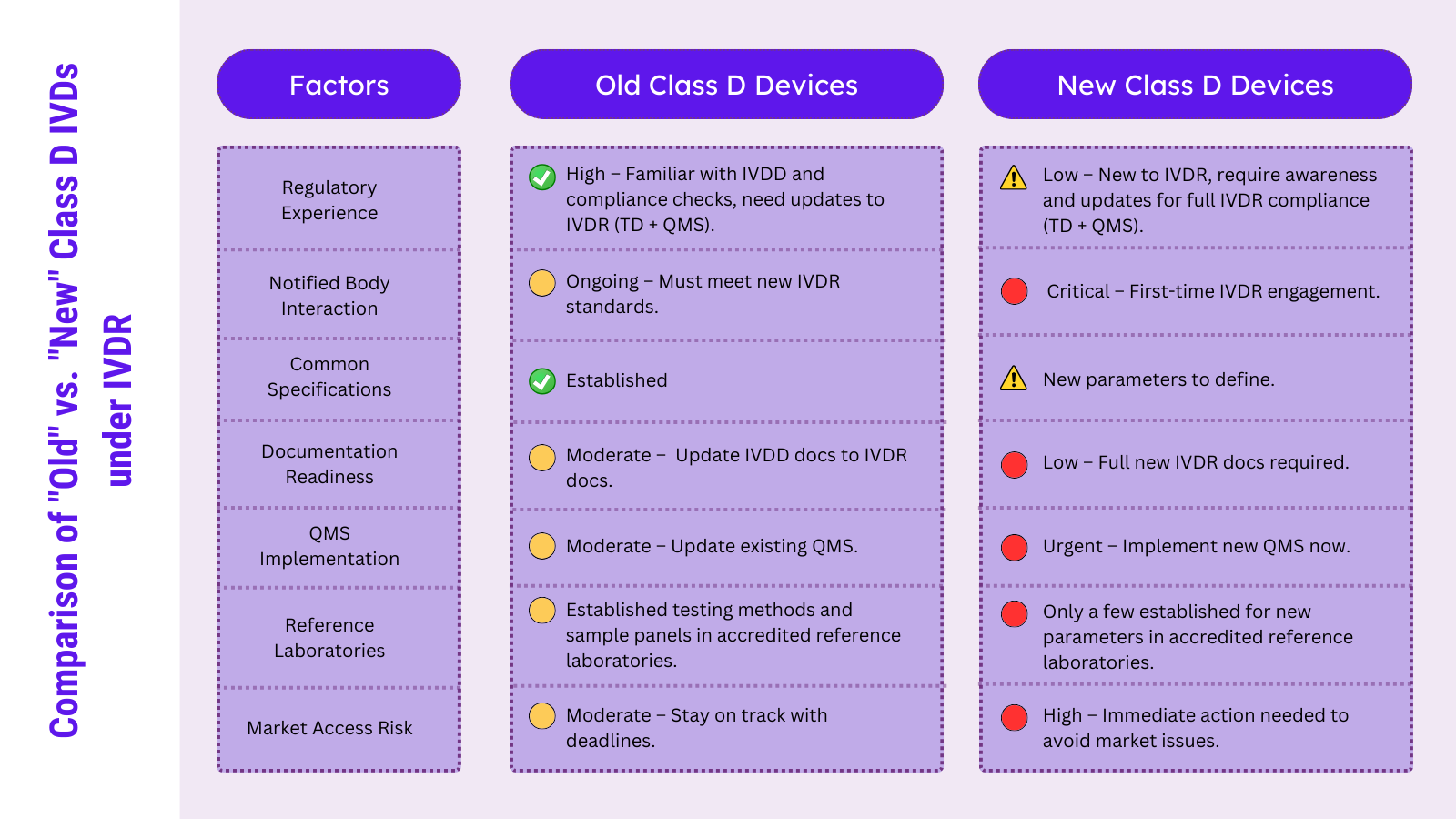
Regulatory requirements and challenges for new and old Class D devices under IVDR
Class D IVD manufacturers face fast-approaching IVDR transition deadlines, though some are more familiar with the regulatory process. In this article, Dr. Oliver Eikenberg discusses the difference between "new" and "old" Class Ds, and regulatory logistics they need to consider during the transition process.
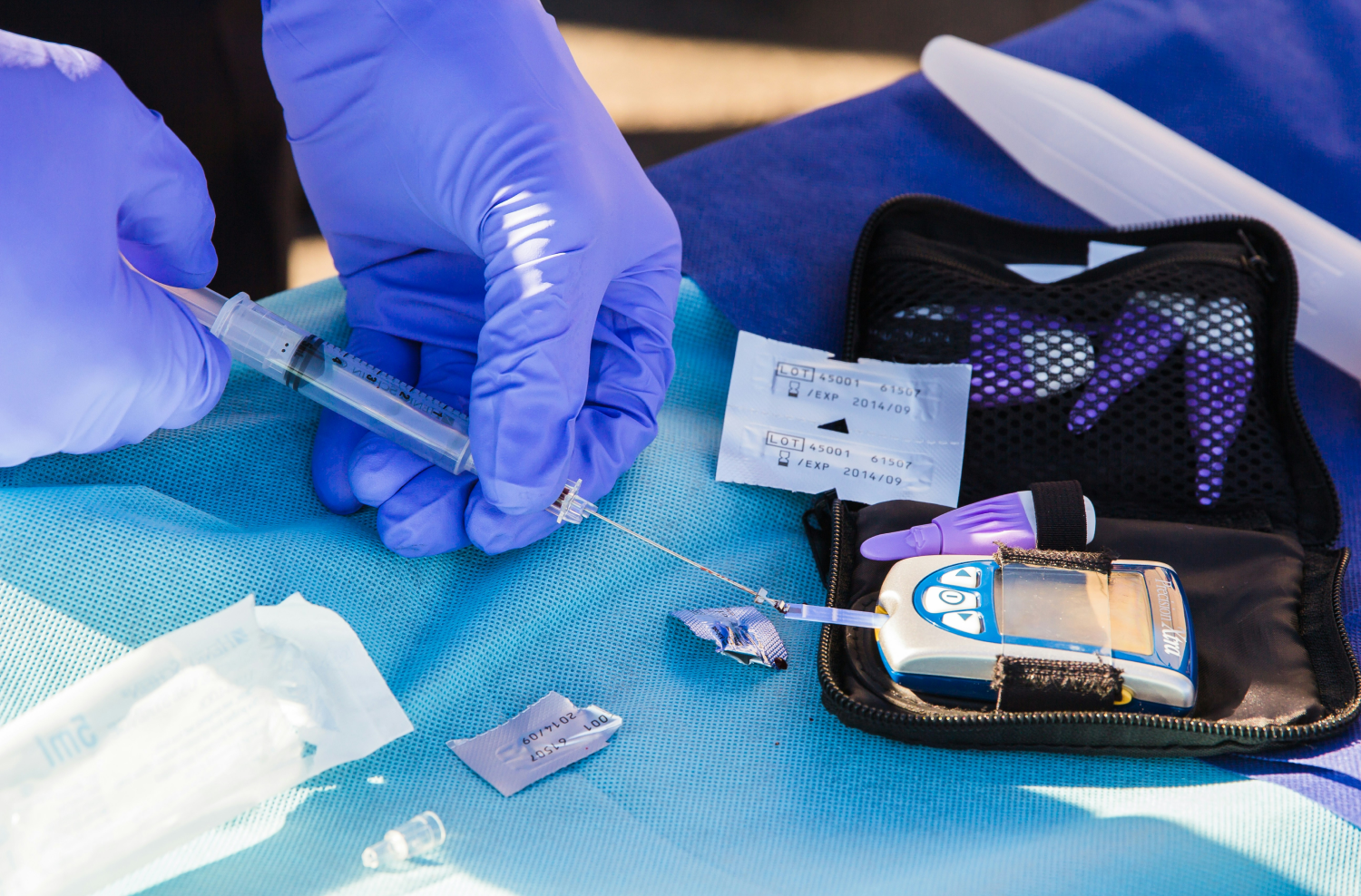
Intended purpose for IVDs and impact on the classification under IVDR
Your IVD's intended purpose determines its classification, clinical evidence requirements, and clinical applications under the IVDR. Device companies will need a more robust intended purpose to fulfill IVDR criteria. In this article, Dr. Oliver Eikenberg explains the role of the intended purpose in IVDR compliance.

Why and How EU IVDR Compliance Matters before the May 2025 Deadline
Many IVD and legacy IVD device manufacturers are obligated to comply with certain aspects of the IVDR even before their transition deadline. In this article, Oliver Eikenberg discusses how IVD companies can maintain EU compliance during the transition period.

Adapting your QMS to IVDR requirements until May 2025: what manufacturers need to know
The official IVDR transition period is here. IVDR expert Dr. Oliver Eikenberg discusses how IVD manufacturers should take action, starting with how to implement IVDR QMS requirements for the May 2025 deadline.

MDA Updates at IMDEC 2024: Paving the Way for Regulatory Excellence and Innovation in Medical Technology
Pure Global participated in IMDEC 2024 in Kuala Lumpur to discuss the latest advancements in medical technology, regulatory efficiency, and the role of AI in transforming the industry. Highlights included updates from the Malaysian Medical Device Authority (MDA) that showcased their commitment to driving regional leadership in medical device regulation and innovation.
Pure Global 2024: A Year of Growth, Innovation, and Global Impact
As 2024 comes to a close, Pure Global proudly reflects on a transformative year marked by substantial growth, cutting-edge innovation, and impactful collaborations.
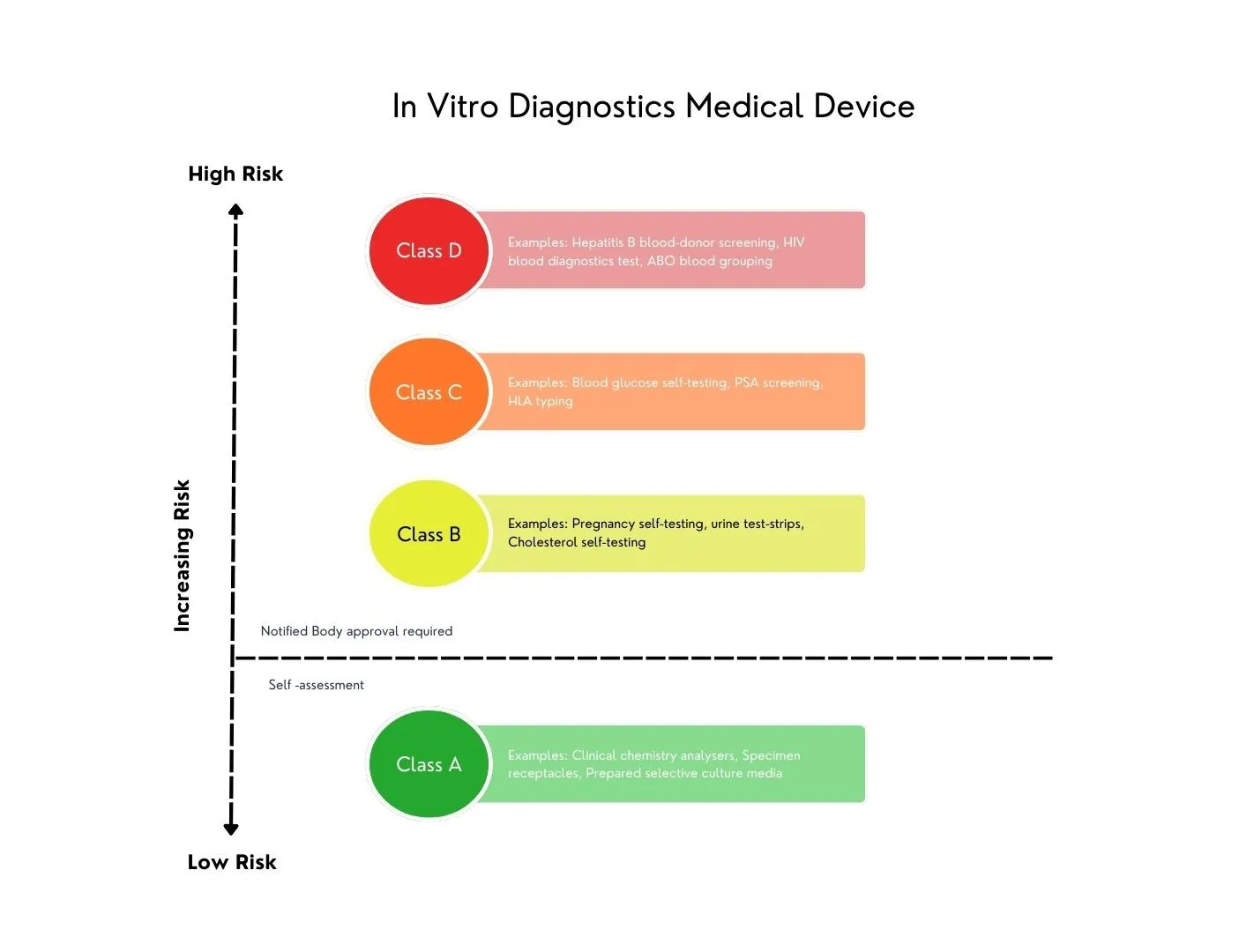
What are the challenges under IVDR?
IVD manufacturers cite the new classification system, detailed definitions for intended purposes, and the need for verification of clinical evidence as key challenges under the IVDR.

The EU Parliament votes on a resolution to revise specific parts of the MDR and IVDR
On October 23, the European Parliament adopted a resolution revising specific elements of the Medical Devices Regulation (MDR) and the In Vitro Diagnostic Devices Regulation (IVDR). This resolution intends to address ongoing challenges in implementing the regulations by 2025 and to improve patient access to important medical products.

Transla.ai: Simplifying Multi-Language Documentation for Global MedTech Companies
Multilingual documentation presents ongoing compliance and logistical hurdles for MedTech manufacturers. Transla.Ai is an industry-specific translation tool that can accelerate and streamline the translation process.

Changing Global Markets - Brazil: Navigating New Regulatory Landscapes
Brazil aligns medical device regulations with global standards, including Europe and the US. Recent updates and international compatibility attract manufacturers.

The Impact of AI on Brazil's MedTech Sector
AI is revolutionizing MedTech in Brazil, enhancing healthcare through process optimization and data-driven decisions. Pure Global ensures swift, compliant market introduction of innovative solutions.

Pure Global: Regulatory Decisions for Global Success
Discover how to navigate commercial and regulatory challenges for global success in the medical device industry. Learn strategies for market access, regulatory compliance, and post-market vigilance

New Standards in Med Dev Cybersecurity
Raising cybersecurity standards for medical devices necessitates manufacturers' compliance with new global regulations.

Brazilian Markets Navigation: Pure Global Alliance
Brazil stands as Latin America's largest medical device market, regulated by ANVISA with recent updates to accommodate new technologies and international harmonization.

US Regulatory insights: Global Collaboration
Combining expert regulatory guidance with cutting-edge clinical laboratory support to streamline the FDA approval process.

Partnering with Pure Global Singapore
With a population of 5+ million, Singapore has the highest GDP per capita in Asia, according to Trading Economics.

Decoding Health tech Regulations
Exploring the evolution from wellness apps to regulated medical devices, highlighting the significance of global compliance and security.

Outsourced vs DIY Regulatory services: Perspectives
Addressing product development and regulatory hurdles, medical device and IVD manufacturers are advised to assess capabilities and seek external expertise for market success.

Human Factors in Med Device Manufacturing
An overview of essential human factors engineering standards and guidance for global medical device manufacturers.

Recall Management: Med dev Post-Market Duties
Navigating the complexities of medical device recalls requires a robust management plan and clear communication strategies.

Unlocking Device Market Access: Reimbursement Essentials
A guide to regulatory clearances, global reimbursement strategies, and the essential PICO approach.
Let's Talk,
Anywhere You Are.
Whether looking for more information or ready to partner with us, we're here to guide you through every step of the regulatory process.
Contact us